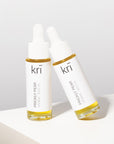
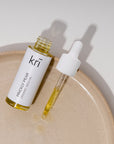
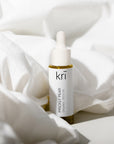
A good facial oil can change the way skin looks as well as the way it feels. By softening roughness and conditioning the surface, oils can leave the complexion smoother, more supple and naturally luminous.
But plant oils are not interchangeable. Their fatty-acid profiles and textures differ considerably, which is why one can feel rich and cushioning while another seems to disappear almost immediately. These are five oils we particularly like for creating that healthy, well-conditioned glow.
1. Prickly pear seed oil
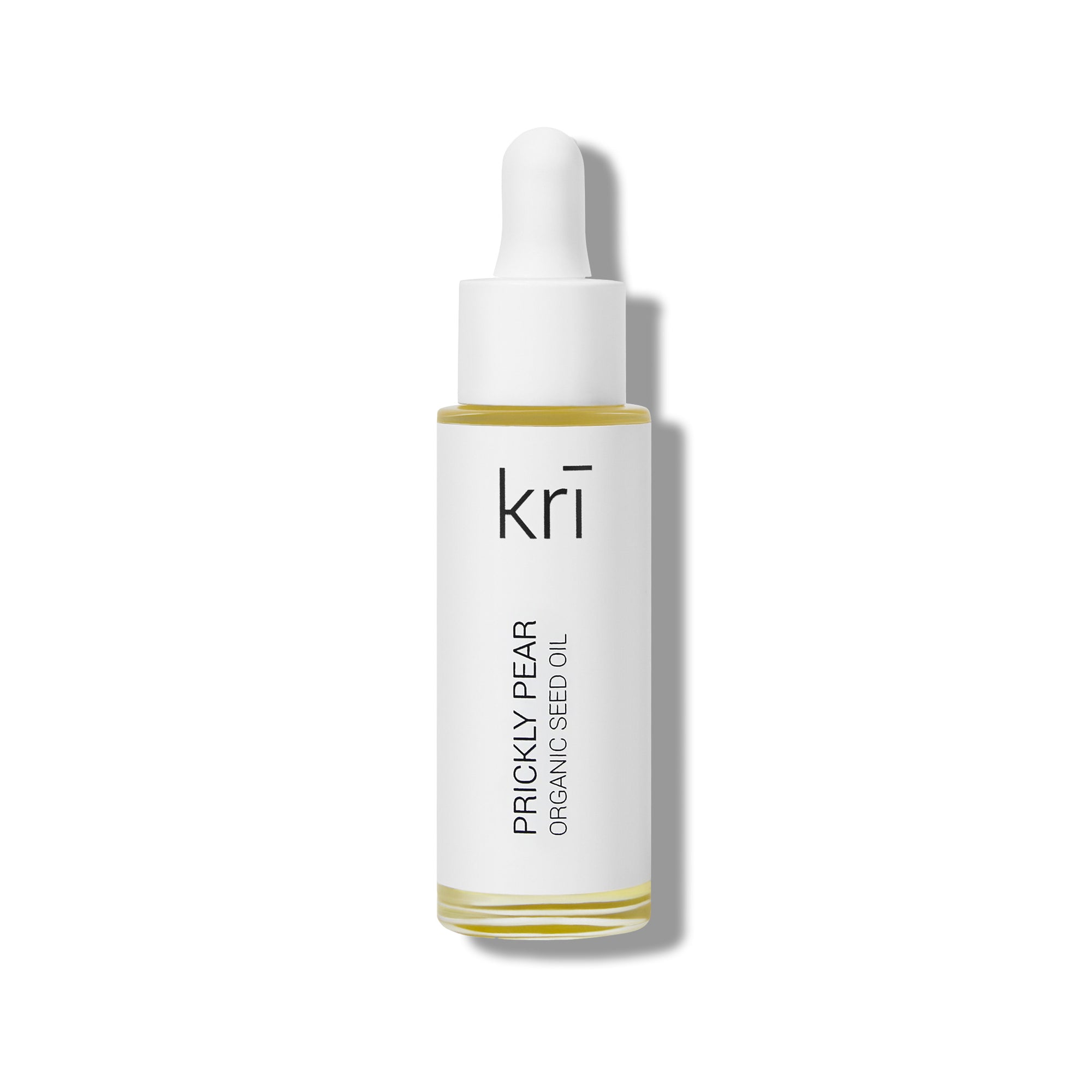
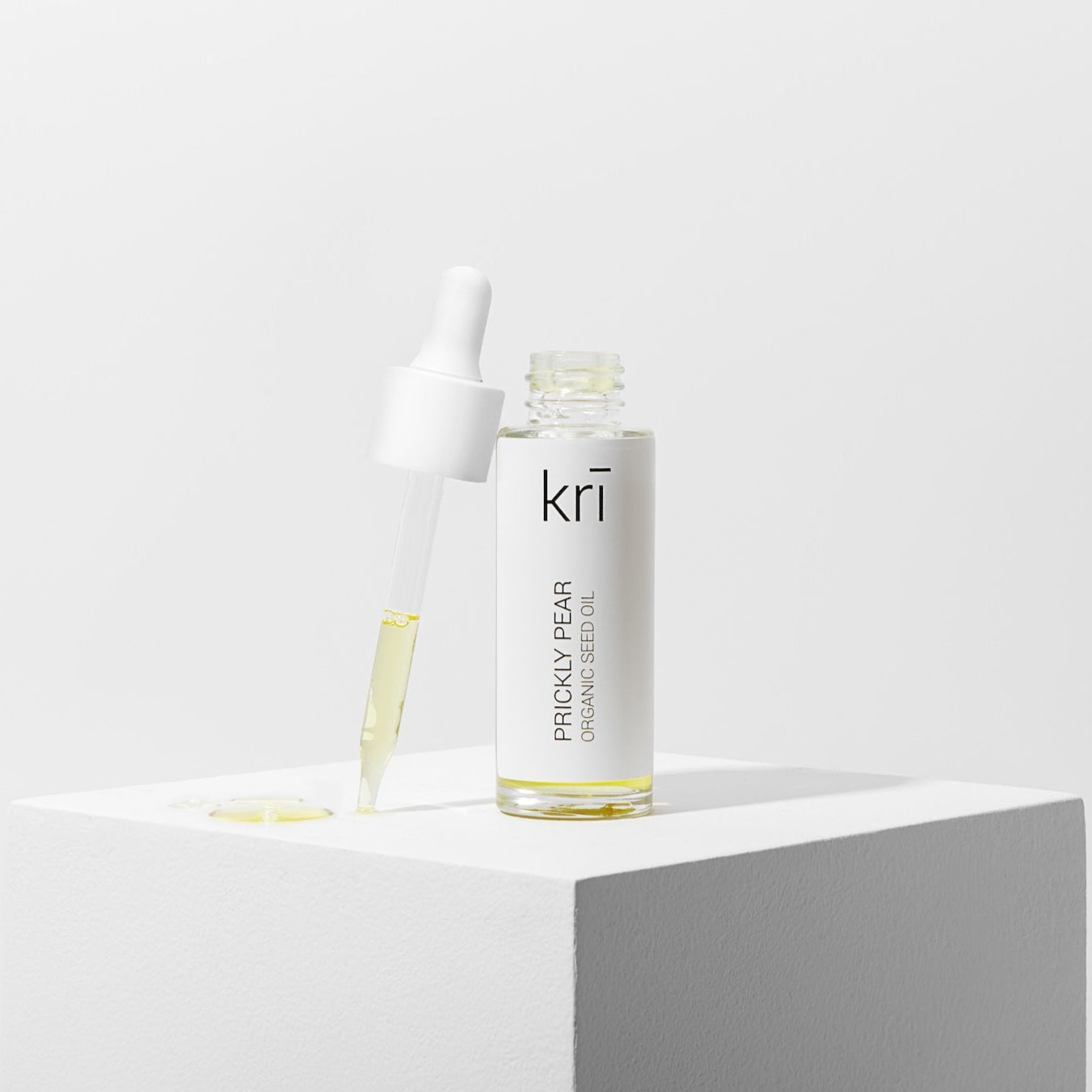
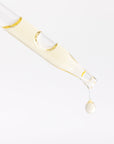
Our standout choice is prickly pear seed oil. Naturally rich in linoleic acid, tocopherols and phytosterols, it combines an interesting botanical profile with an unusually light texture.
That makes it especially lovely when skin looks dull or feels dry but you do not want a heavy finish. Our Organic Prickly Pear Seed Oil contains one ingredient - pure, cold-pressed Opuntia ficus-indica seed oil - so a few drops are enough.
2. Safflower seed oil
Safflower is another light oil, often particularly rich in linoleic acid. We use it in Unveil, where its elegant slip helps dissolve makeup and sunscreen before the formula emulsifies and rinses away.
It is a useful reminder that even a rinse-off oil benefits from thoughtful raw-material choices: texture and after-feel still matter.
3. Grapeseed oil
Grapeseed oil is naturally lightweight and generally contains a high proportion of linoleic acid. It spreads readily and conditions without the dense residue of richer oils, making it popular with people who want softness without weight.
4. Broccoli seed oil
Broccoli seed oil has an exceptionally silky character. We use it alongside Kalahari melon seed oil in our Vitamin C + Bakuchiol Serum, where it carries THDA and Bakuchiol while giving the concentrated treatment a refined, light finish.
5. Camellia seed oil
Camellia is softer and more cushioning than many of the linoleic-rich oils above. Typically rich in oleic acid, it helps give Unveil its luxurious glide and balances the lighter safflower and Kalahari melon seed oils in the blend.
Why can oils make skin look more radiant?
Dry or rough skin scatters light unevenly and can look dull. Emollient oils soften that surface and improve suppleness, so skin often appears smoother and more luminous after application. That is not about painting shine onto the face; it is the appearance of a better-conditioned surface.
Which one would we choose for glow?
Prickly pear seed oil. Its combination of a light skin feel and naturally occurring fatty acids, tocopherols and phytosterols makes it an exceptionally elegant standalone facial oil.
Use one to three drops after moisturiser, or mix a drop into your cream. If your skin is dehydrated as well as dry, add water-based hydration first. You do not need a complicated blend or a shelf full of oils - the right few drops can be enough.