

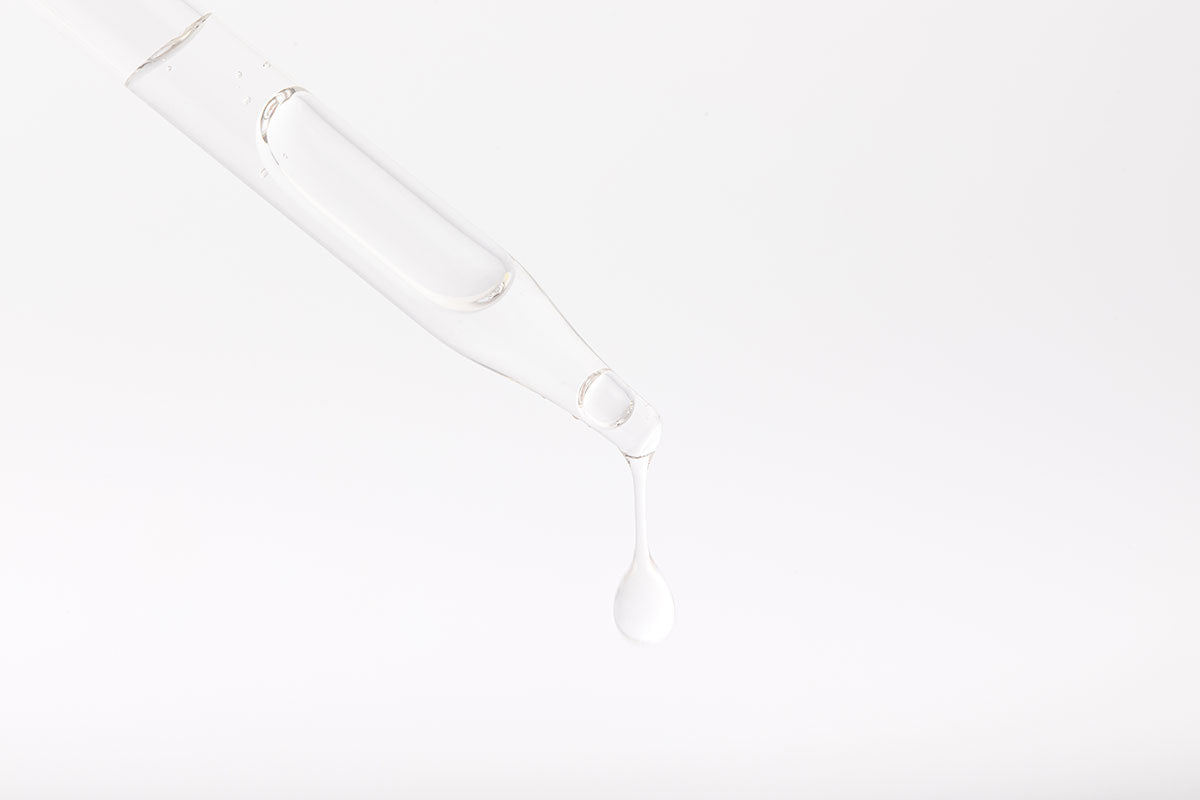
Squalene and squalane differ by a single letter, but that small difference matters in skincare. Squalene is a lipid that occurs naturally in human sebum and in plant and animal sources; squalane is its hydrogenated, more stable form.
It is squalane that you will commonly find in modern skincare, where its silky texture makes it an excellent emollient for softening and conditioning the skin.
Why is squalane useful?
Squalane gives skin nourishment without the waxy or overly rich feel associated with some heavier oils. It spreads easily, helps relieve the sensation of dryness and leaves skin feeling smooth and supple.
That versatility means it can work across many skin types. It is particularly welcome when skin feels dry or tight, but its elegant finish also suits people who dislike heavy creams.
Where does it come from?
Squalene was historically associated with shark liver oil, but modern cosmetic squalane can be produced from plant sources including olives and sugarcane. At Krī, we use plant-derived squalane.
Why we use it in Endless
Endless Moisturiser is our richer moisturiser, designed for skin that wants more nourishment without an unnecessarily greasy finish. Squalane works alongside organic jojoba oil and hydrating ingredients to give the cream that balance.
If Timeless is the light, fluid option in our collection, Endless is the more cushioning one - and squalane is a large part of why it feels so comfortable on dry or mature skin.
The simple difference
Squalene occurs naturally in skin but is relatively unstable. Squalane is the stable form widely used in skincare. For the person using the product, the important part is simpler still: it is a beautifully effective way to add softness, comfort and emollience without excessive weight.


